|
Traveling in India to learn about the management of
water resources is a journey that takes you to the
wonders of India’s rich and amazing past, where you will
find palaces such as Nahargarh Fort in desert-like areas
which conserved and managed water in the most
sophisticated ways. Most commonly, rainwater was harvested from rooftops, open courtyards, fort walls, and stored in step wells for easy access. Sewage
from the same palace was channeled away from the drinking water sources, preventing contamination. This was unusual, even at a global scale. Even today, some of
the world's drinking water gets infected with sewage due
to poor planning and maintenance.
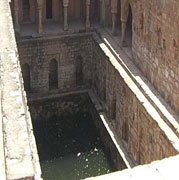
The baolis, or step wells of
India have been neglected due to years of modern
techniques of irrigation and water supply. The step wells was more than just a source of water for the community. The architecture
of Delhi's grand baolis, for instance, signified to its users whether it was to be used for washing of
clothes, bathing or drinking. They also served as
meeting points, cool spaces shielded from the sun. Many
of the step wells of Delhi lie in ruin today, but if
revived and used, they will not only recharge
the groundwater levels, but also relieve the city’s water
shortage.
Studies show that without returning to some of the ancient methods of harvesting and recharging
groundwater via rooftops, tanks, ponds or artificial
lakes, commonly practiced in Rajasthan and Delhi, both the quantity and quality of water in these areas will continue to drop.
|



 watch slide show