|
In the 1980s, there were many areas
throughout the world which became national parks and
popular attractions for the tourism industry. Tourists
visited parks to experience 'authentic' nature and
wildlife, and especially tigers. This was also the case
in Sariska. The tourism industry grew rapidly and hotels
popped up around the national park. Shortly after the
national park was established, there were 15 hotels
located less than 1 km from the park. Income from the hotels was high, but the money went only to the tourism
industry and was not invested in the area for protection of
wildlife or local villagers.
In October 2002,
restrictions were set on how close hotels and other
commercial establishments could be from the park. All
construction 500 m from the
park boundary was banned. Unfortunately, the law
only lasted for 2-3 months because of the strong
interests of the tourism industry. Today, luxurious
hotels and local villagers live on each side of the park
border. Both of them are trying to share the same
resources, but as the forest department has taken the
side of the tourism industry, they are forcing the local
villagers to move to other places.
Bring back the tigers
The situation of the tourism industry has changed
dramatically since the tigers disappeared. The hotel manager at “Hotel Tiger Den” located just outside
the national park emphasized the
importance of bringing back the tigers. The hotel is
facing fewer visitors. It is urgent to get the tigers back in the area as the
tourists demand to see them, he said. The hotel revenues have decreased, made clear by the visibly run-down hotel premises.
"The
other wildlife is expanding without limits when the
tigers are gone and the local villagers are damaging the
environment when there is no fear of the tiger”, he said.
When we
asked whether the tourists have had a negative impact on the
wildlife, he claimed that the animals are not disturbed
by the tourists because they are used to visitors.
He
also emphasized that the government has established
checkpoints and rules for the number of vehicles, amount
of time spent in the park and behavior. However we know
from our own experience that this is not strictly followed. Only 17 vehicles are allowed into the park during
the day, but each trip normally lasts for three
hours, which means that the same jeep can go into the
park several times a day. The jeeps drive close to the
animals, and although it is prohibited to leave the vehicles, we saw tourists walking in the park. Sariska is also an important pilgrimage centre, attracting at times up to 30,000 people in a single day, according to the tiger task force
report. There is no doubt that this inflicts dramatic
disturbances to the wildlife.
Working
for the tourist, but supporting the locals
Our young driver who also functioned as a guide on our
trip into Sariska blames the forest department for not
taking action earlier when the tigers first started
disappearing. They knew perfectly well what was going
on, but did not interfere to stop the poaching before it
was too late. Further, he sees no problem with the local
villagers and the tigers living side by side: “They have
been living in a reciprocal system for centuries and are
used to live in harmony with each other.”
Fighting for their
homes
On our trip to Sariska we also visited two 'forest'
villages situated inside the national park. People in
those villages have been under pressure from the
government to abandon their homes for 30 years.
Villagers in Kankwari have been threatened with eviction for many years now. Out of the 250 families, 125
have agreed to move out of the park. Those willing to relocate have been offered 1.5 hectares of land no matter the size
of their family, while in the park they inhabit on average 6 hectares
or more.
Many of the families refusing to
move are waiting for the rules of the new Tribal Act to be notified, which will guarantee them 4 hectares of land for every
member in the family over 18 years of age. The problem is that
the local villagers are mainly pastoralists and
according to the leader of the village they know nothing
about farming. Since the land they will be given is
agricultural land, this obviously entails difficulties.
Neither do
the villagers trust the government, given the bad experiences with other communities evicted 25 years ago. The
tension between the government and the local villagers
has worsened after the tigers disappeared. When
asked if they knew anything about why the tigers 'disappeared' from Sariska, they replied: “Only god knows.” However,
after a while it became apparent that they did know
about widespread poaching incidents, but did not know the identities of the poachers.
The leaders seemed done talking to us and were more
concerned about smoking their water pipe (hookah), so we moved on to the
women. At first shy, but when asked
questions about their situation, they were enthusiastic and outspoken. They emphasized that they
were born here and that all their identity belonged to
this place, which was why they
refused to move. However, they also said that if the
government puts more pressure on them, they may move. They currently have access to water and trees, resources that would be absent if
they were forced to move. When we asked them if they
were angry with the government they said, much to our surprise,
that they were only sad and not angry with anyone. In
the end, they told us that they had never been further
than 15 km away from the village and that they were
scared and concerned about moving to a different place.
|


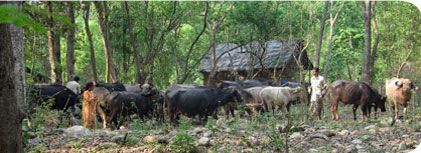

 Photo: Lise Trangsrud
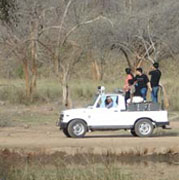 Photo: Lise Trangsrud
 Photo: Lise Trangsrud
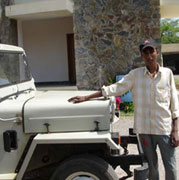 Photo: Yngvild P Haugen
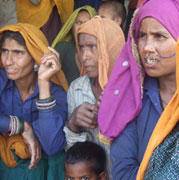 Photo: Yngvild P Haugen