|
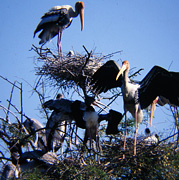
Keoladeo area in Bharatpur state has for centuries been
highly valued because of its rich bird life. In 1972 it became a sanctuary, to protect the 230 bird species
living in the area. The Siberian crane was one of the
beautiful migratory birds that came every winter.
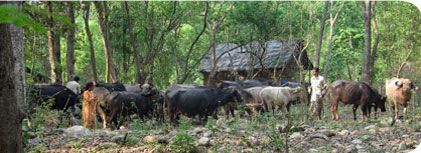
People living outside the park have for ages used the
park area as grazing land for its cattle. In 1982 the
government prohibited grazing in the park, a decision
that provokes huge demonstrations by the affected people.
On November 7th in 1982 the police opened fire against the
protesters. 6 people got killed. This was just the
beginning of the tragedy. The following years the
sanctuary got overgrown by weeds and plants, which
reduced the water availability for animals and birds.
The lack of cow droppings produced fewer fertilizers for
the soil, and less breeding spaces for insects (bird
food). In addition, the Panchana dam on the Gambhir
River prevented the water from flowing into the park.
These factors have currently lead to aridity in the park.
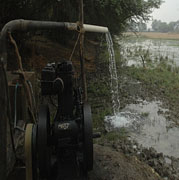
Today, ground water is being extracted to ensure enough
drinking water for the birds, a highly unsustainable
practice. The Siberian crane and many other birds have left and been replaced by black ibis, a bird specie adapted to
dry conditions.
This story raises several important aspects of wildlife
management. What was the biggest threat to the birds; the villagers and their grazing
cattle?
Removal of people and their animals is not
always the best solution for wildlife conservation. In
many cases the harmony between people and nature is crucial
for the existence of nature as we know it today. Altering this balance can have
negative consequences. It is important to consider alternative management models, like local governance
and management over natural resources, when
interests of forest, wildlife and people are at stake. |