|
When the British came they exploited a huge amount of
timber from the Indian forests. They
also implemented wildlife management models adopted from
Germany and France. Huge areas were appointed as
protected areas, and the governance of those was
centralized. After independence the new Indian
government took over the forest land and continued to govern them on a centralized
basis. The forest dwellers became illegal settlers in
the forest in which they have always lived. In 1972 The
Wildlife Protection Act was passed and this lead to the
forest dwellers being seen as a threat to the protection
of wildlife.
Today there is a tension between forest
dwellers and the government concerning how the resources in
the forest are supposed to be used. In some cases the
forest dwellers are seen as destroyers of the forest and
granted no space. Many places government has planned to relocate villagers outside
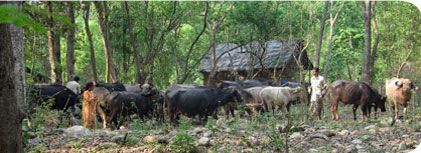
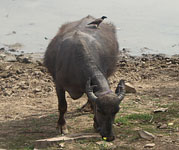
protected areas. As in the case of the Kankwari village in Sariska National Park living with the threat can be difficult enough. In some cases villagers living just outside the park borders are denied grazing land for their animals. This does not only have negative consequences for the villagers, but also the fauna in the park, as the example from Bharatpur Bird Sanctuary depicts.
Recently the Tribal Rights Act was
passed. This act is supposed to give forest
dwellers, tribal and non-tribals, the rights
to manage their forests. The act has not yet been
implemented and there is still a long way to go. |