| Which
value does the forest
have for you? |
| It would be hypocritical to answer that it was everything or priceless for me, since I don’t depend on it for my livelihood. So, first, it is the esthetic appeal and the biodiversity. However, after working here at CSE, I have understood that it is a vital resource for the poor. This makes me appreciate the forest even more. I used to value the pristine and untouched forest. Today I understand that people living inside the forest is ok and that they together create the living resource the forest is. |
| |
| What do you think is the best way to use/manage the forest? |
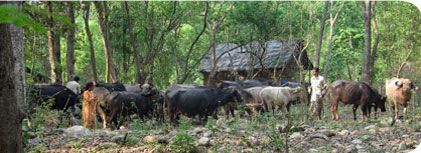
| The forest has different uses for different people. The idea of competing uses is important for the policymakers to understand. The forest department values the forest for its timber, and not for its standing forests. The people living in forest rich areas are being penalized for living there, since they do not get any compensation for their limited access to the natural resources. It is a curse to live in an ecologically rich area in India, since it’s only laws and restrictions. The industry is being rewarded for cutting the forest, while the forest dwellers are not being rewarded for keeping it. It needs to be given compensations to the forest dwellers. |

Photo: Ragnhild
Vognild
|
| |
| Should everybody have
the right to use the
forest as they please? |
| No. With rights comes responsibility. The people that are mostly dependent on it should have the right and the power to use it. The people living in the forest need to have the first right to it. |
| |
| ...then who should decide how people could use the forest? |
| It is useful to have the state to formulate the framework; however, the implementation needs to be done by the local communities. Unfortunately the three processes of creation, interpretation and implementation of the law are far removed from the people using the resources. We need all three processes to be closely connected to the local communities. The centralisation of these processes creates a greater distance between the forest dwellers and forest management, which has entailed negative consequences for the forests. If the people living in the forest do not feel any ownership to it, they won’t have any reason to protect it and use it in a sustainable manner. And if they are poor as well, they have no choice but to degrade the forest. |
| |
| |